I Want a Dog or Cat — What Now?
Now that you’ve made up your mind about your new partner, know what to expect through this new Felix The Vet video.
Learn what the content of this video is:
Felix The Vet talks about adopting a pet and choosing the right breed based on lifestyle and personality, and highlights the importance of considering the animal’s needs.
Consider the lifestyle when adopting or buying a dog : Choosing a race that adapts to family routines and lifestyles
Be a good family for the animal and consider its innate characteristics
Consider the lifestyle and physical abilities of owners before selecting a dog breed : Avoid high-energy working animals if you live in an apartment or have no time.
Be aware of the size of the dog, as this may affect the owner’s ability to physically care for him.
Responsibility to adopt a pet: Adopting an animal should be a carefully considered decision
Animals are living beings and are the adopter’s responsibility
Basic obedience training is crucial for any dog owner: Owners should look for training schools or trainers for help.
Training can improve the relationship between owner and dog.
Adopting adult animals requires patience and understanding: Adult animals may have adaptation problems and require extra attention
It is important to visit associations and live with the animal before adopting
Enrich your pet’s environment with various kinds of toys to minimize destruction at home: Choose high quality blankets and toys for your pet, which can be advised by veterinary clinics.
Pay attention to sand boxes and avoid using scented sands as they can cause allergies in cats.
Proper sandbox management is important for cat welfare: having several sand boxes in different places can be a solution.
Informing yourself about having a pet can avoid having an impulsive pet.
Adopting or returning animals traumatizes and marks them for life: animals deserve to be treated with health, happiness and affection
Finding the right home for the animal is as important as considering the welfare of the animal
5 Tips to Prevent Ear Infections in Dogs
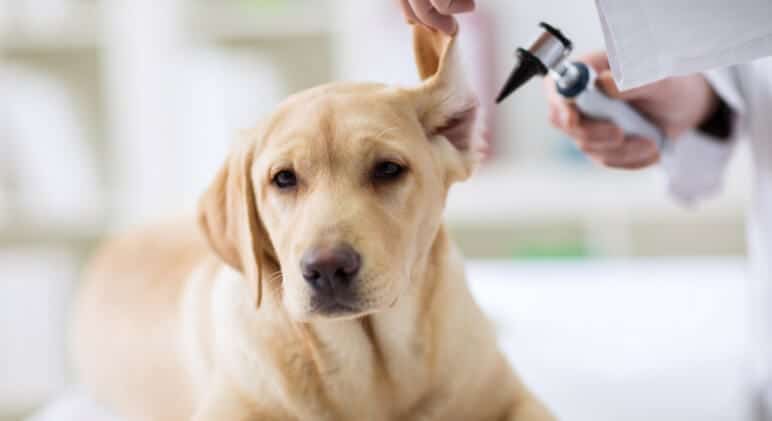
Has your dog ever had an otitis? Practically no one who has dogs is free to suffer from otitis.
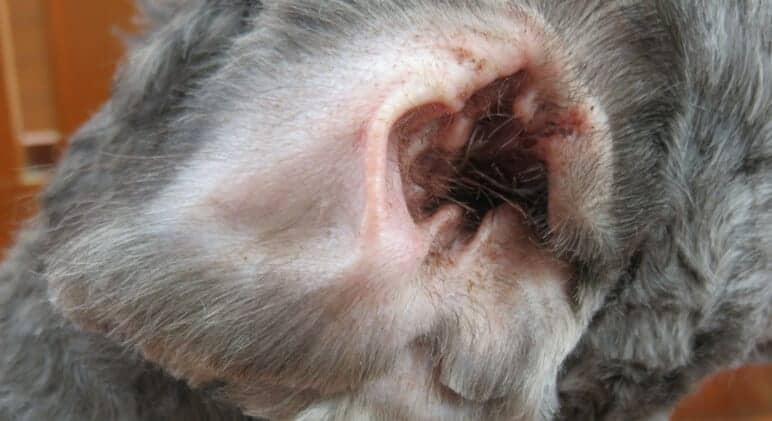
This type of infection is quite common, especially in dogs with fallen ears, or “wheezing ears”. Regardless of how many times you’ve had to deal with this problem, it’s always with a feeling of impotence and sadness that we see our daddy win while he desperately scratches his ear(s). In addition, these types of infections are usually smelly, with pus release, cause redness and swelling and are very frustrating for everyone involved in the process.
In this post we will briefly address the three most common types of otitis, their causes, as well as what you can do, preventively, to prevent them from repeating in the future. Here, the keyword is prevention!
3 Ear Infection Types
There are three types of ear infection in dogs — external, media, and internal otitis. Each of them affects a different part of the canine ear canal. As the names indicate, external otitis refers to an infection in the outside of the ear. Mean and internal otitises refer to infections in the middle and inner ear canal. If not treated immediately, the external otitis may spread to the middle and inner area of the auditory canal, leading to a more serious infection.
What Can Cause Ear Infection?
There are some common causes.
- Bacteria
- Fungi
- Wax accumulation
- Moisture in the ear
- Excess of hair
- Allergies – both food and something in the environment
- Ear mites and fleas
Know the Risk of your Dog
Although any dog can develop otitis, some breeds are more susceptible than others. Dogs with “ears of shaking” (such as Poodles, Labradores, Hounds, Beagles, Spaniels, etc.) are at the top of the list. The fact that the ear canal is blocked creates a perfect humid environment for the development of fungi and bacteria. Moreover, this type of ears are propitious to the accumulation of wax, dust and crap in general.

Suggestions To Prevent An Infection in the Ear
1. Keep your Hound’s Ears Dry
Moisture is the environment of choice for bacteria to develop. Although, surely, you should not prevent your bigeye from diving during the summer, it is important to clean and dry your ears after bathing. The same is true of baths! Use a piece of cotton or gauze to thoroughly clean the entire opening of the ear canal after bathing.
2. Remove Excess Hair
Your dog is of a breed, where the hair grows inside the ear (as the poodles)? Then make sure you cut and remove those hairs! Otherwise, this excess of hair on the outside of the ear canal will act as a “trap” for crap and moisture.
And right now you know what that accumulation can lead to: infection! For this reason, when you take your stepfather to bath or shear, ask the “groomers“ special attention, with a view to removing these excess hairs, whenever appropriate.
These kind of thin hairs are easy to remove with your fingers. However, there are powders for this purpose, registered for canine use, therefore we recommend that you consult your veterinary clinic and talk to yours veterinary doctor, to learn more about them and how to use them. However, during the process, go to your stepfather to keep him calm. It’s always nice to end the session with a cookie.
3. Clean your Dog’s Ears Regularly
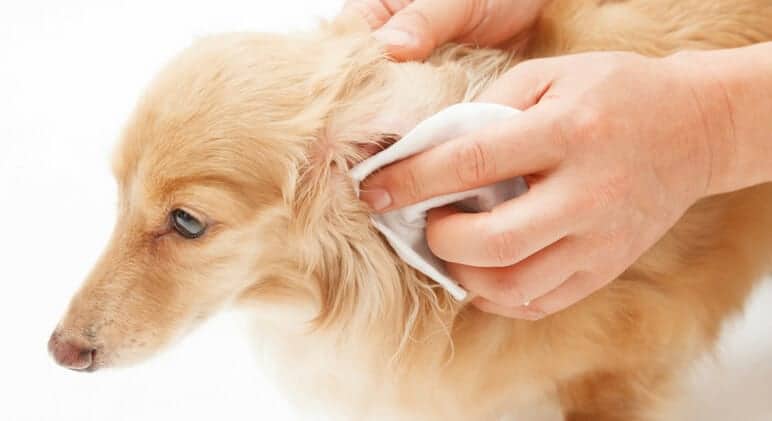
I leave here the suggestions of a “groomer” professional about the best way to clean a dog’s ears. Follow the following steps and use them as a guide:
- Use preferably a compress or one gauze; (there are those who also use a cotton ball, or soft cloth, but do not recommend it).
- Moisten the compress or gauze with one own product for otological cleaning (don’t put it directly in your ear).
- Using your index finger and the compress or gauze, carefully remove the accumulated wax.
- Try not to leave any uncleaned nooks.
- Do not put your finger too much into the ear canal as it may cause damage. Focus mainly on the accumulated surface wax in visible areas.
- Finish with a dry swab or gauze and gently remove all remaining moisture.
- Attention: in case of doubt, you should always advise yourself with your veterinary doctor.
4. Feed your Dog Healthy
According to American Kennel Club: “About half of dogs with allergic skin diseases and 80 percent of dogs with sensitivity to certain types of food develop inflammations in their ears.”
A Pet Doctors suggests that you feed your stepfather with a healthy diet. Note: Talk to your veterinary surgeon before changing your dog’s feeding type.
5. Watch Regularly the Ears of your Dog
Ideally, your bigeye’s ears should be soft when looking and without any signs of irritation or swelling. They should be dry and without signs of dirt. Although it is normal that they have a slight odor (with time and through the routine of watching your dog’s ears, you will realize what is normal for your bigeye), the same must not be unbearable. If you notice anything out of the ordinary, it’s best to take your stepfather to Veterinary for an ear inspection.
Anxiety: 5 Natural Ways to Calm an Anxious Dog
*Note: If your dog suffers from extreme anxiety, you should consult a veterinary doctor.
Like us humans, dogs also get scared and nervous or anxious. I have a friend whose dog suffers from extreme anxiety. Anxiety attacks occur whenever it rains, thunders or the wind blows with greater intensity. This dog does not like loud noises or noises and is anxious even with the noise of the vacuum cleaner or dishwasher. As a way to relieve stress, this big guy starts moving around or tries to hide behind the furniture. But it’s not limited to these behaviors… She has already come home several times and has come across her clothes torn and scattered across the floor and the sheets and duvets of the bed completely turned or fallen to the ground. Despite these behaviors, she tries as hard to reduce the times when she medicates her dog. I would like to express here that, as the natural methods of reducing the anxiety that I am talking about below are important, they may not solve the problem of their stepfather, and should always, in any case, consult their veterinary clinic in order to obtain the opinion of your veterinary doctor.
When it comes to anxiety, there are several things you can do to try to calm your “hairy baby”. There are five natural methods that sometimes work and are used by some people.
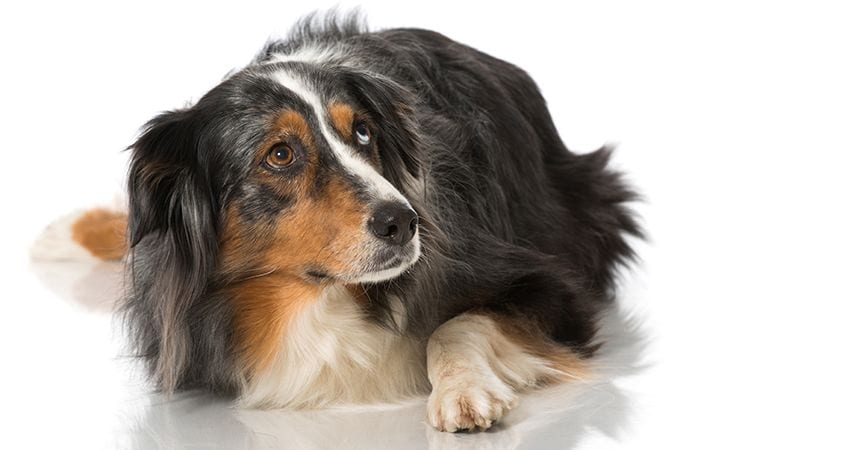
1) Distract With Exercise and Games
Whenever your big guy gets nervous or anxious, it’s always good to distract him with exercises and play with him a little bit. Playing the “search” or playing obedience games will keep your dog focused and his mind distracted from what was stressing him. If you have room for exercise, get up and move: run and play with it! Exercise is a great relief to stress because:
- It stimulates the production of serotonin, which will give your daddy a sense of well-being.
- It releases accumulated energy that can exacerbate an anxiety attack making it worse.
2) Pheromone Calming Canine
Calming canine pheromone is a synthetic chemical based on a hormone produced by lactating bitches. It’s this hormone that helps keep the puppies calm. Although there are scientific studies showing that this pheromone works with puppies, there are researchers who say it is not clear that it results with anxious adult dogs. However, there are people who claim to have worked with their dogs, so it may be worth a try. Always consult yours Veterinary on this matter and do not worry about the possible smells of these synthetic pheromones, because humans are unable to smell them.

3) Essential oils of Lavender
Lavender is referred to by many people as one of the best solutions to help your stepfather calm down and overcome stress. Many pet owners claim that it was enough to rub some lavender oil into their stepfathers’ hair so that they would be calmer during a thunderstorm or car ride. And the effects of lavender were even tested in 2006 during a clinical study who examined 32 dogs with a history of extreme excitement in car trips. The results? Dogs spent significantly longer, sitting or resting, much less time walking around and vocalizing after being exposed to the lavender smell, compared to their reaction when they had not smelled it.
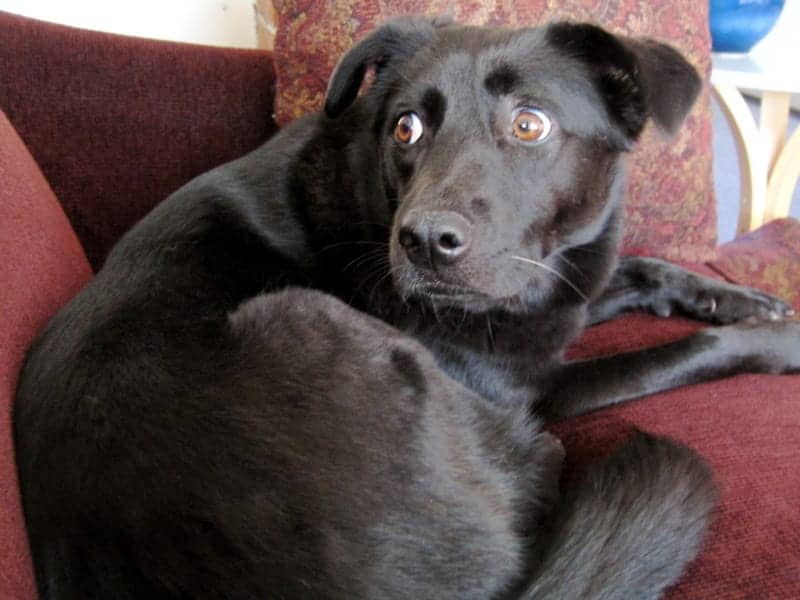
4) Music Calm
Music can have a strong soothing effect on an anxious dog. While you can just turn on the radio and tune in to Smooth FM, know that there are playlists, for example on Spotify, specifically designed to reduce dog anxiety. There’s actually a company in America called Through a Dog’s Ear which offers a selection of soothing songs for dogs. This same company even sells a portable music player called iCalmdog 2.0 which comes loaded with four hours of music that was apparently clinically tested on dogs.
5) “Sharkcoat”, for anxiety
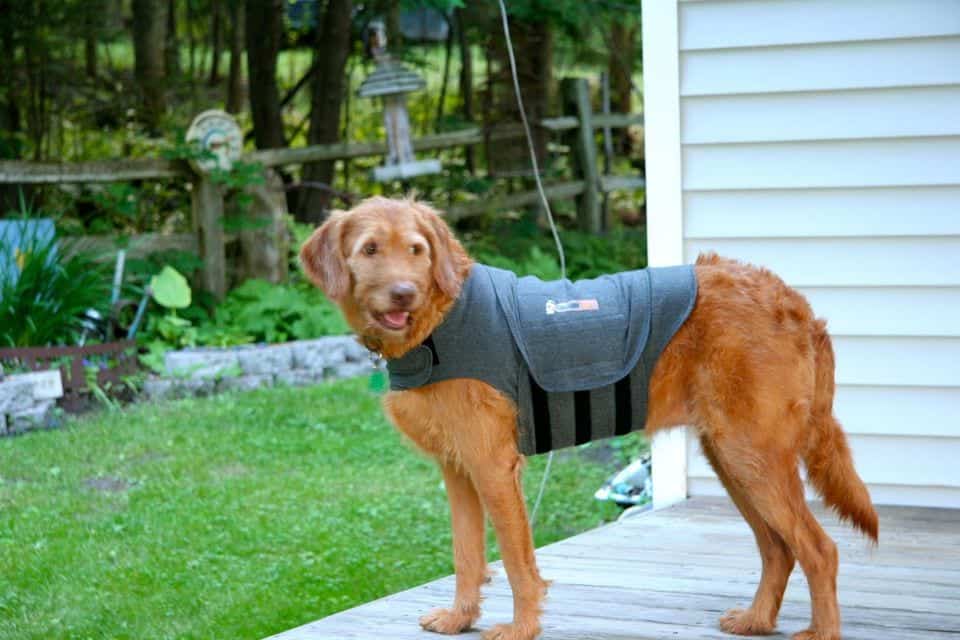
“Sharkcoat”
A “Thundercoat“, or “thunder jacket”, is a piece of clothing for your dog that, being tight, applies a gentle pressure on the body of its bigeye. It is believed that this continuous pressure helps calm the nerves of an anxious dog. I know some people who wear these coats to their legs and claim it works. This kind of coat has become quite popular in the United States and not only.
*Note: If your dog suffers from extreme anxiety, you should consult a veterinary doctor.
We would like to hear about your experience through our website. Facebook.
A PetDoctors He waits for you and his stepfathers. We are in Lisbon, in the area of Alto dos Moínhos (Benfica), in front of the Hospital dos Lusíadas and we can be contacted through the numbers: 21 581 3418 or 91 273 8413
Video: Sleeping with Pets Is Good for You
Why Do Dogs Yawn? 5 Common Reasons
Why do dogs yawn?
Okay, I know what you’re probably thinking: When my dog yawns, that must be a sign that he’s sleepy or bored. Although that is sometimes the case, a yawn in a dog does not mean the same as a yawn in a human being. Read to understand some of the reasons why your dog yawns.
1) Stress and Anxiety
Like us, dogs can also get stressed. While we move our fingers, bite our nails, hit our feet, pull out our hair, or adopt other behavior, dogs yawn! If you notice that your paw yawns or licks your lips excessively, it is important to pay attention to your environment and current situation.
2) Sign of calming or decreased attention
Did you ever notice your dog yawning during a particularly long workout? He might be trying to tell you he’s getting tired and maybe we should make a stop.
3) Excitement and Anticipation

Sleepy.
If your big boy starts yawning as soon as you come in the house, waiting for the food, or when you see him on the leash for a walk, then that behavior may be because he’s excited!
4) Communication
According to the American Kennel Club:
“ Sometimes when a dog is confronted by another aggressive dog, it can yawn as a response to the aggressor. This conveys the message to the aggressor that the yawning dog is not interested in conflicts. It is not a sign of submission, but a sign of pacification.”
5) Yawning for sympathy
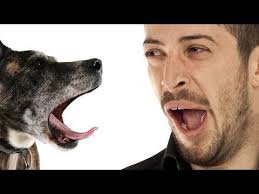
The yawn is caught
Yawns are contagious! Has it ever happened to you, certainly, to yawn just because you saw someone do it? This phenomenon is not only human. Research show that sometimes when a dog sees its pet owners or other dog yawning, they themselves may have a tendency to yawn!
PetDoctors: Your Steak Veterinaries!
How to Help Your Dog with Separation Anxiety
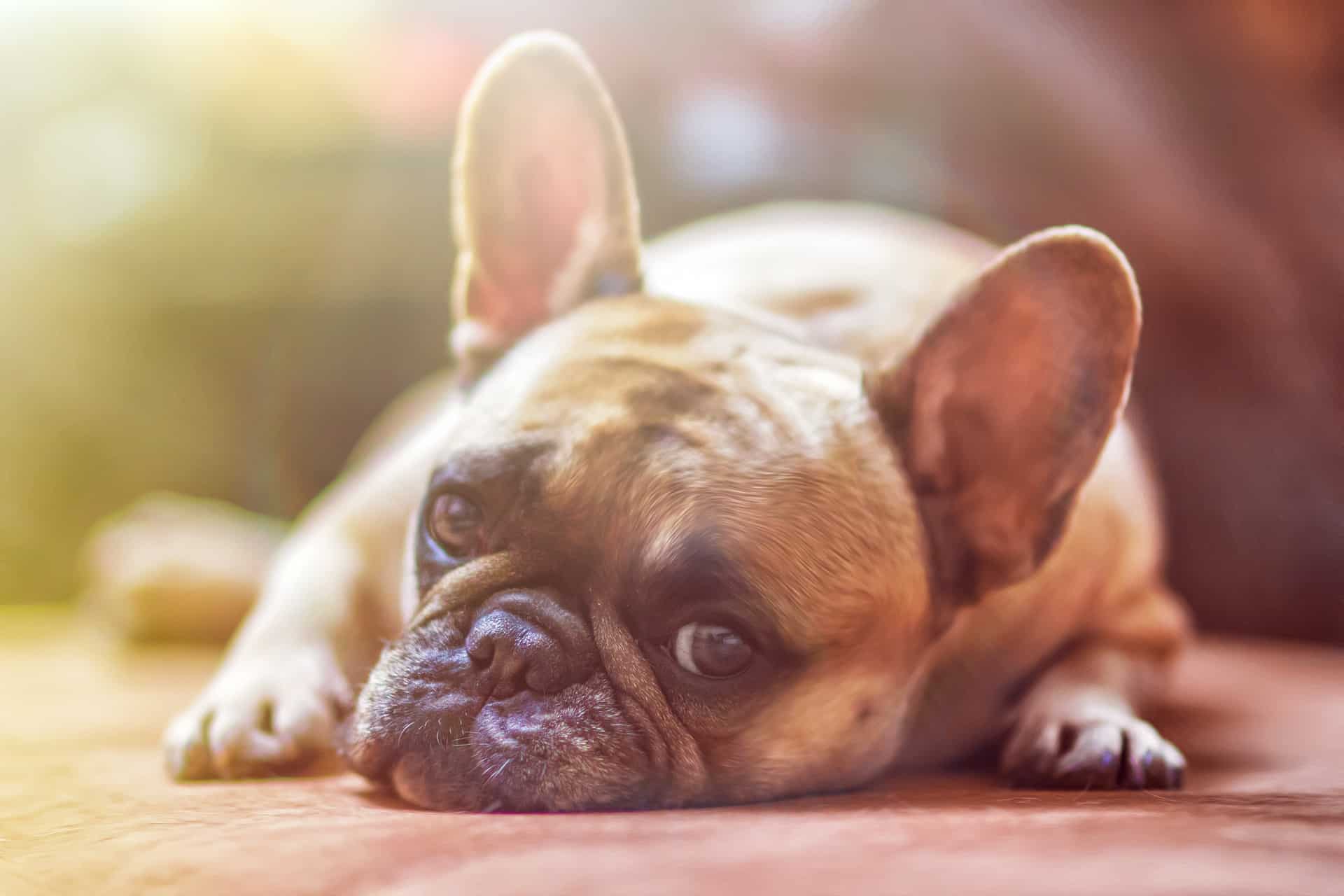
Did you know that dogs suffer from anxiety due to separation? In the wild, dogs are rarely far from their pack, so it is understandable that they feel anxious when left alone, away from their human family. Dogs that have been abandoned and come from the street are protectors, and all who have been separated from the litter before long, or who have spent a lot of time with a person at home, are more likely to suffer from this kind of anxiety. For the welfare of our pets it is important to solve this problem.
What are the main symptoms of separation anxiety in a dog?
The separation anxiety, which is nothing more than the resistance of a dog to be left alone, manifests itself essentially through four symptoms:
- Destructive behaviours. When a dog feels anxiety tries to get rid of it physically, so it will cause damage at home when the pet owners is not present.
- Urine inappropriately. It is common for dogs suffering from separation anxiety to urinate in inappropriate places, especially indoors.
- Excessive vocalization. Separation anxiety is also manifested by barking loudly or howling when the dog is left at home.
- In some cases, separation by anxiety can also cause neuro-vegetative symptoms. Some dogs may vomit, start diarrhoea or salivate excessively.
Tips for dealing with separation anxiety in your dog
Help him release energy
Before you leave the house, walk your dog. If you leave your dog at home after a long walk, he will certainly have released much of the accumulated energy. Remember that a walk not only helps them spend energy but also serves as a mind-stimulator, which also helps dispel anxiety!
Stay calm.
Go out, walk and come home quietly. Dogs can read human emotions, so if you’re too effusive or nervous before you leave the house, it will increase their anxiety. On the contrary, keeping your emotions controlled at these key moments will convey to your dog that you should not fear separation.
Socialization
Socialize your dog. In most cases, separation anxiety is the result of a hyper-link and over-dependence of the dog in relation to one or more family members. A good socialization with other people, even with strangers, will help eliminate this connection so strongly that it harms the dog. For this reason, use every opportunity to socialize your dog by putting it in touch with other people and animals.
Give him time to be alone
Get used to it being alone, with gradual exits, and with varying times away from it. If you want to put an end to separation anxiety, you should get used to your dog spending time alone with other dogs and other people. Initially the separations should be short, about five minutes, but should gradually increase the time, until you can leave it alone, if necessary, for hours. Of course, you should always make sure he has food, water, and toys to keep him entertained.
Natural medicine
Consider the use of natural medication.
Many veterinarians believe that anti-anxiety medication should be the last choice, since many of these medicines can cause undesirable side effects such as lethargy, behavioral changes (irritability or aggressiveness), gastrointestinal changes, insomnia or excessive arfar.
But did you know that there are natural methods, or alternatives less aggressive than traditional medicines? Recently, regular Anibidiol consumption, known as CBD, has been increasing with frankly good results.
Numerous studies show that CBD is quite beneficial for animal health, particularly to treat dir, neurological problems and, obviously, anxiety.
If you want to know more about CBD and its use in treating anxiety in your dog, make an appointment, contact us via email, or call us at 215813418 (Lisbon) or 218079455 (Corroios)
Finally, if your dog suffers from separation anxiety, give him as much comfort as possible, whenever you leave home and remember the tips we left him.
PetDoctors Veterinaries – Taking care of your pet, like it’s ours!
Pet Owners Cope Better with COVID-19 Lockdown, Regardless of the Type of Pet
The result of a new investigation, carried out by researchers from the University of York, which concluded that having a Paptoum at home, helped maintain better mental health during confinement due to the COVID-19, was published. The research also revealed that there is a direct relationship between having a Patho and the existence of a smaller feeling of loneliness. Both positive conclusions are associated with any kind of Patho that participants have at home (dog, cat, rabbit, etc.).
The survey looked at some 6,000 participants in the UK, 90 percent of whom revealed to have at least one Patch. pets pet owners showed lower levels of loneliness and better mental health during mandatory confinement due to pandemic, when compared to those who did not have any pets at home.
“ With this study, we also found that the strength of emotional ties with the pets does not differ according to the species, which means that people who were part of the study, on average, feel emotionally connected to their hamster in the same way as, for example, their dog,” says the main author of the study, Elena Ratschen.
Although animals such as horses, dogs and cats initially obtained a slightly higher score on the Comfort Scale given by Company Animals (CCA), these differences disappeared when adjusted for other factors. Researchers think this discovery is important as it gives greater weight to an idea called “social buffering hypothesis.”
In relation to the company given by animals, this hypothesis suggests that the presence of an animal in a social group is more relevant than the characteristic of the species to which that animal belongs. Therefore, with regard to mental health resilience, in the face of a confinement due to COVID-19, a reptile or a hamster, are as useful as a horse or a dog.

“ It is often assumed that the relationship Man – dog occupies a special place with regard to the relationships between man and other animals,” writes researchers in this study. “However, a more critical recent perspective suggests that it may be the adaptability of the dog to work with Man and his sensitivity to human emotions, which may be the basis of his widespread use, in the interventions performed with the assistance of dogs, more than the intrinsic capacity of dogs for this purpose.”
In light of these findings, Ratschen does not suggest that people immediately rush to the nearest pet store in order to buy a pet. She suggests that, although the facts are statistically significant, they may not be clinically relevant.
“ Although our study has shown that being a mentor of a Patho has a mitigation effect on the negative effects of confinement due to COVID-1, it is important to understand that this discovery is possibly devoid of clinical relevance and does not allow any conclusion or suggestion that people should arrange pets in order to protect their mental health during the pandemic,” adds Ratschen.
The primary objective of the study was to investigate the relationship between animal and human beings in the context of mental health vulnerabilities. The observed subjects did not suffer from any pre-existing mental illness, so further studies will have to understand whether the introduction of an animal into a group of patients with known mental disorders may offer some kind of protection to the negative psychological effects of a confinement due to a pandemic.
The study also reveals that tutoring a stepfather may introduce extra anxiety in some cases. Approximately 70 percent of all observed animal pet owners show an increase in the level of concern for the well-being of their Patho during confinement. The restriction of access to veterinary care during confinement was a factor that generated an increased concern among pet owners, when they thought about matters related to the health of their pets.
“ This work is particularly important at this time as it shows that having a pet at home can serve as a buffer against the psychological stress caused by confinement,” comments Daniel Mills, co-author of the study, from the University of Lincoln. “However, it is important that each one of us also understands the needs of his Patho, since the study also showed that a failure in this area has a negative effect, both on the Guardians and their pets.”
This study is published in the academic journal PLOS ONE.
Source: University of York
The BARF Diet: Know the Risks
Author: Dr. Sofia Sirage
The BARF diet, which has become increasingly popular among pet owners, has associated risks. Meet them in this article.
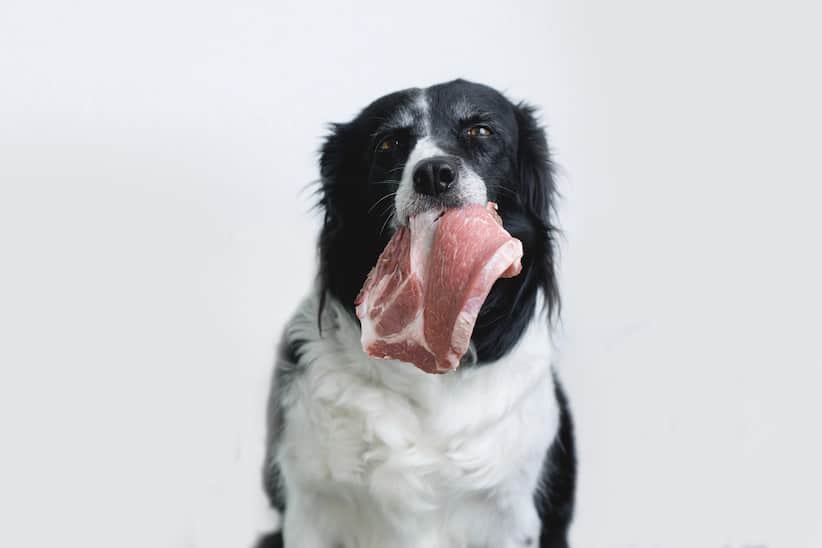
BARF (Billogically Acompute Raw Food) or RMBD (Raw Meat Based Diets).
What does it consist of? These diets consist of raw meat, organs (rins, liver, etc.), bones (integrated or ground) and cartilage, complementing the meal with raw vegetables and eggs.
? Main objective? Their main objective is to imitate what the dog would eat in nature, and it is therefore considered a natural option.
But…
WARNING: We must bear in mind that our pets are no longer wild animals, they have undergone a process of domestication of thousands of years.
What your animal eats is closely linked to your health, so we must ensure that the food we provide you is the one that will bring the most benefits to your health.
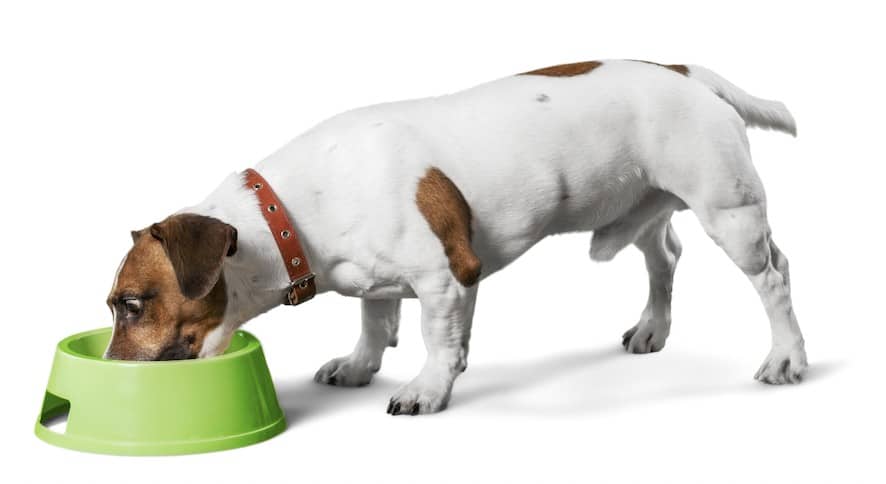
Therefore, we must take into account the main factors of this diet:
Diet no balanced
Several studies conducted with diets prepared at home or commercially acquired report multiple nutritional deficiencies. The main ones are lack of calcium, phosphorus (which can lead to bone fractures and dental problems), potassium and zinc.
It is very important to bear in mind that the negative effect of nutrient deficiency generally appears in the long term.
Risk of infections
Studies with scientific evidence (*1) demonstrate that this raw meat diet can transmit parasites and bacteria (salmonella, listeria, e.coli…) responsible for various diseases. Some of them can even be transmitted from animals to humans, which is considered a zoonosis. pet owners may become ill by contact with their animal, food, utensils or even contaminated feces.
The latest studies show that animals can even be infected by antibiotic-resistant bacteria. Which increases the danger to public health. Therefore, it is essential to be attentive to risks inherent to these diets.
Risk of digestive problems
Bone ingestion may cause tooth fractures during chewing and obstructions at the level of the gastro-intestinal tract. In more severe cases, internal perforations may occur, which may lead to the death of the animal.
Before adopting a type of natural feeding, Consult a veterinarian specializing in nutrition, so that he can help to outline a food plan appropriate to the needs of his faithful companion.
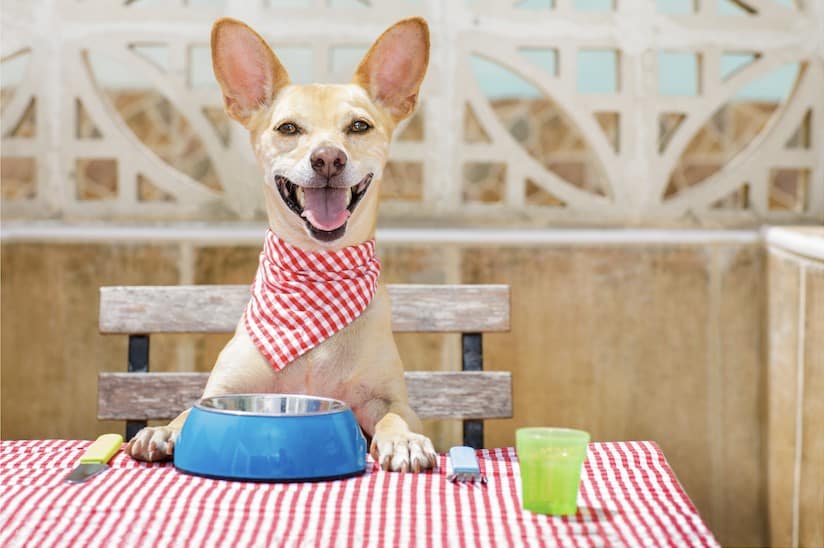
Final considerations:
Due to the potential risk of infections, raw feeding is not recommended for animals who are receiving chemotherapy or have diseases affecting the immune system.
pet owners with compromised immune system or who contact people at higher risk of getting infections (small children, the elderly, immunocompromised patients) should be aware of the increased risk of infection that this feeding may bring. Therefore the use of BARF diets is not recommended in these cases.
Nor is it at all suitable for growing young animals. A proportion of incorrect calcium and phosphorus can cause bone deformation and growth problems. Not indicated in cases of hepatic and/or renal impairment.
Animals with this type of feeding must carry out periodic medical-veterinary analyses and checks to ensure that there is no deficiency that needs to be addressed.
(*1) “Zoonotic bacteria and parasites found in raw meat-based diets for cats and dogs”
- Freek P J van Bree, BSc1,
- Gertie C A M Bokken, BSc1,
- Robin Mineur, BSc2,
- Frits Franssen, PhD2,
- Marieke Opsteegh, DVM, PhD2,
- Joke W B van der Giessen, DVM, PhD, DipECVP2,
- Len J A Lipman, DVM, PhD, DipECVPH1 and
- Paul M Overgaauw, DVM, PhD, DipACVM1
Leishmaniasis: What It Is and How to Protect Your Pet

October – Leishmaniasis month
Author: Dr. Sofia Sirage
What do we know about Leishmaniasis… what is it?
Leishmaniasis is a disease caused by a parasite called Leishmania infantum. The dog is the main host and host reservoir, however it can also affect other animals such as cats, foxes and rodents.
As it is a disease that can affect several animals, including man, it is therefore considered a zoonosis.
How can my dog get the disease?
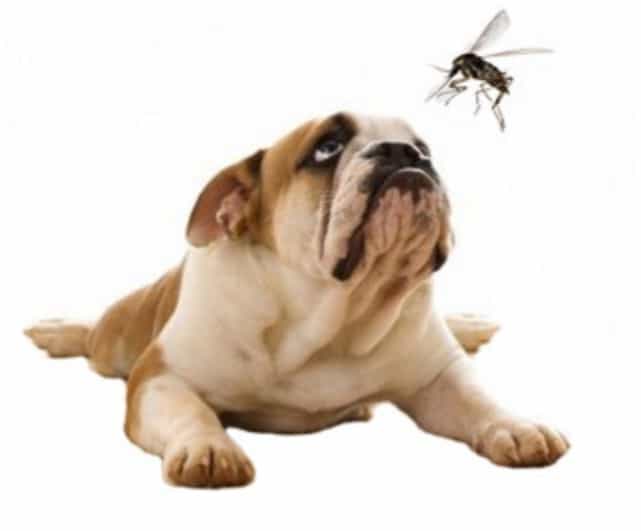
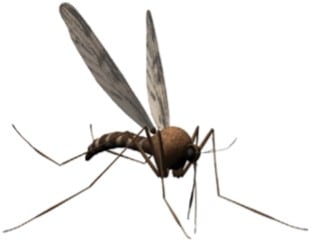
The parasite is transmitted by the bite of phlegm insects. Phlebotoms live preferably by stopped waters, in animal shelters, garbage cans, gardens, forests, etc.. In addition, they are more active at dawn and at dusk.
These insects exist throughout mainland Portugal, so Portugal is an endemic country.

Can my dog give me the disease?
Nope. The transmission from dog to man or dog to dog does not happen. It is always necessary the existence of the vector, which in this case is the phlebotome.
What are the clinical signs?
- The clinical signs are very variable.
- They may be generalized signs such as nutrition deficit, muscle atrophy, lethargy, pale mucous membranes, nose bleeding, lymph node enlargement, joint inflammation, fever, etc..
- Skin or mucocutaneous signs, such as sharp hair loss, dermatitis, vasculitis (inflammation of blood vessels, often manifesting as necrosis in the tips of the ears), etc.
- Just like other signs such as kidney, gastrointestinal and neurological problems.
- Consult your Veterinarian, canine leishmaniasis is a chronic disease and treatment is not always effective and regular checks are needed.
How can I protect my dog?
- Avoid the risk of physical contact with the sandflies, not taking walks at dusk and at dawn (height in which they are most active).
- Use insecticides (sprays, spot-on, repellent collars, etc.) and reduce the light intensity at home (flebotoms fly towards the light).
- Your veterinarian will advise you on the best option for your animal.
- In addition, vaccination plays a key role.
- A complete vaccination program, including annual revaccination, provides your dog with lasting internal protection against the disease.
- Talk to your veterinarian about your dog’s vaccination.
5 Ways to Clean Your Dog’s Teeth Without Brushing
Over time we have shared some information on the importance of oral treatment of dogs. The objective: poor oral health has an impact on your dog’s general well-being. The increase in bacteria may eventually affect your Papado’s heart. In addition, periodontal disease may cause serious medical problems in other organs, such as the liver and kidneys.
One of the best ways to clean your dog’s teeth is by frequent brushing, making this a routine process.
But for some pet owners, brushing may not be an option. If your Daddy gets nervous when you see him go get his toothpaste, you can always try one of these alternatives you follow.
- Dental swabs
Instead of a toothbrush with special toothpaste for dogs, pet owners may also use dental swabs, which were created to be used to clean the teeth of the pets. This method continues to force the pet owners to put the “mass in the dough”, i.e. to force the dog to open his mouth and to keep more or less quiet. However, you have the advantage of being less abrasive than using a toothbrush, leading to greater tolerance by your dog
Similar to brushing, dental swabs work very well for two reasons:
- The passage of the wipe helps to rid your dog’s mouth of food and plate waste.
- The enzymes existing in dental swabs were developed to kill bacteria, continuing their work even after finishing cleaning.
- Chew Toys
While your dog’s oral health is crucial for its general well-being, an increasing number of dogs have oral problems.
In fact, according to American Veterinary Hospitals, “ Oral diseases are one of the most common problems observed by veterinarians. About 80% of dogs aged 3 years or older have active oral diseases”
As a result of this finding, there are currently several manufacturers to produce and sell toys in rubber, extremely durable, and that work as a toothbrush. So instead of stressing your dog with a toothbrushing session, he ends up having fun while cleaning his teeth!

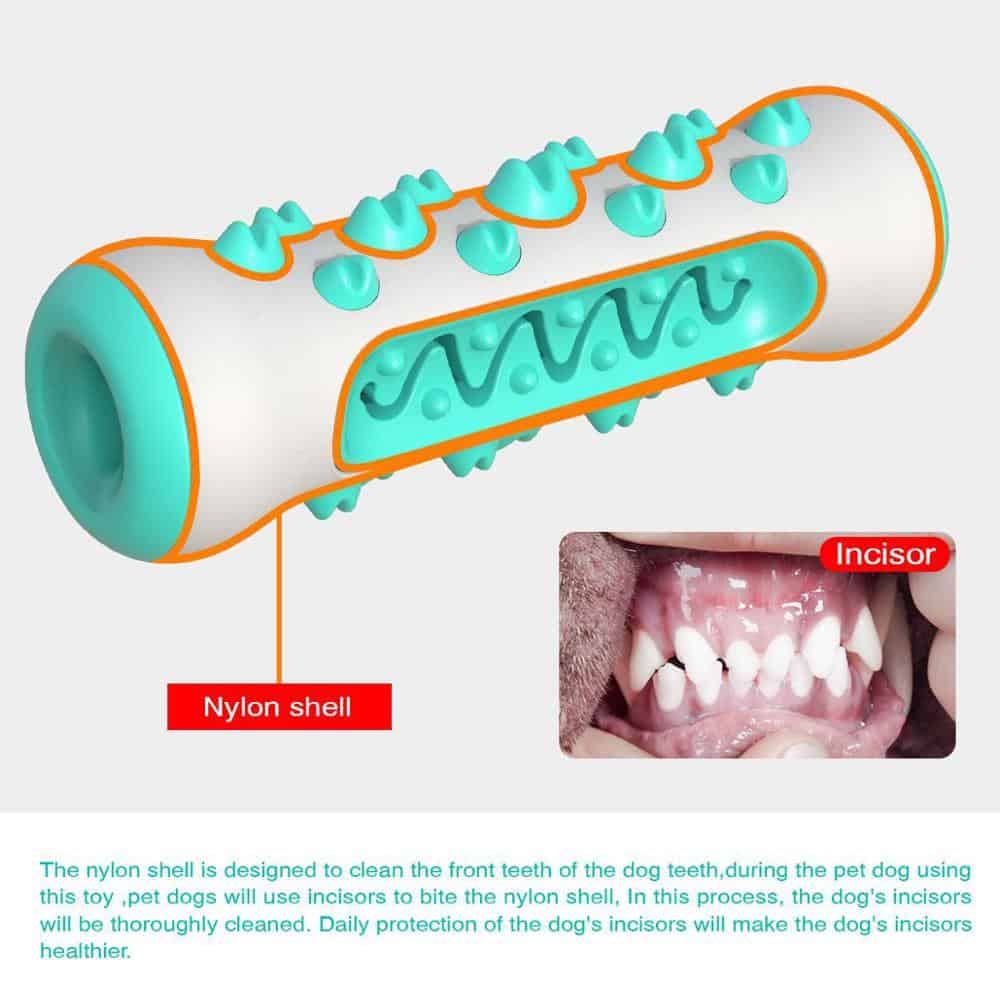
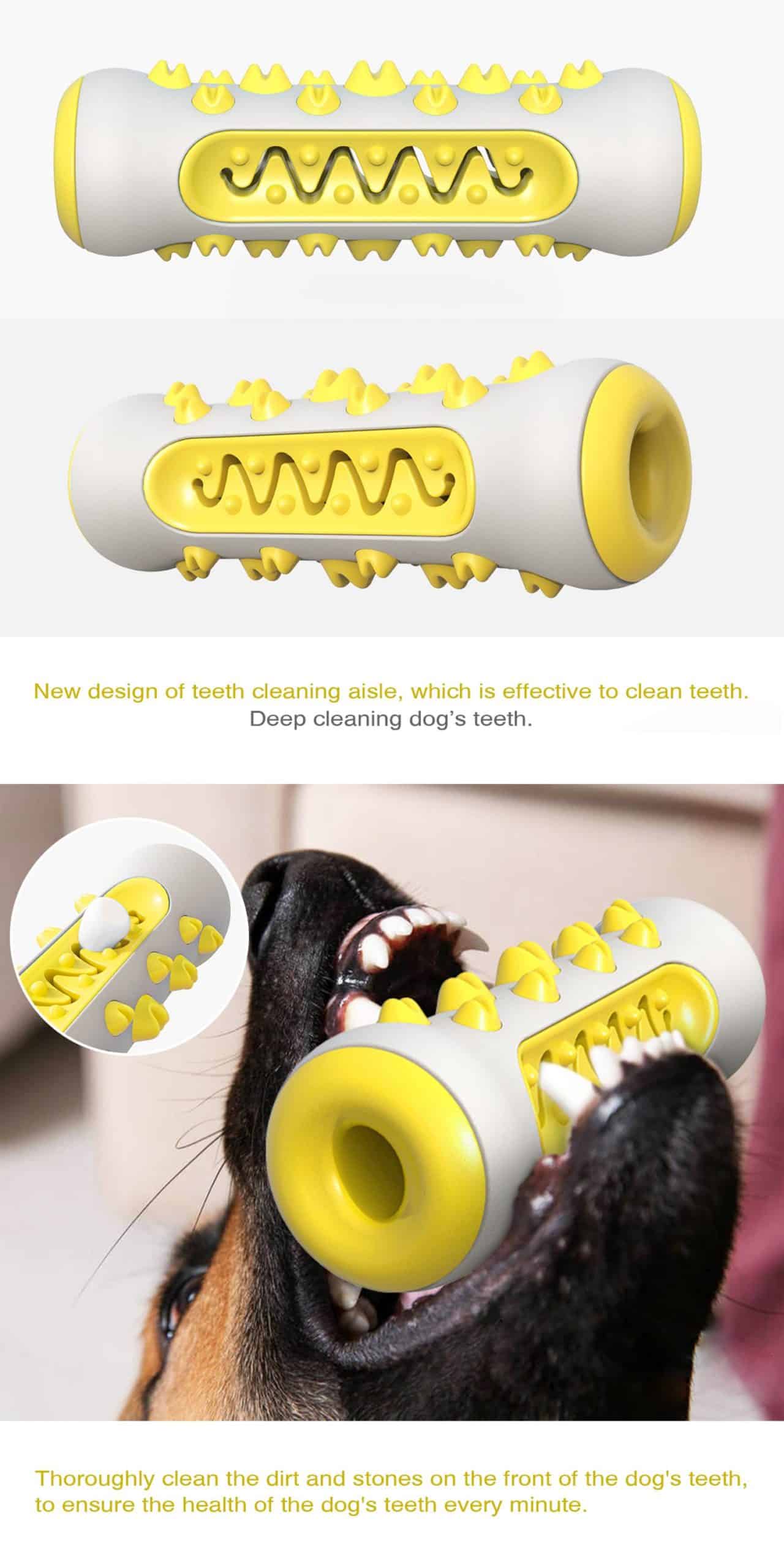
These toys have high zones and reentrys, as well as small “bicuda” zones that help brush and clean your dog’s teeth and gums while he is entertained chewing and licking the toy. The protrusions vary in size and inclination, helping to remove the plaque and tartar that eventually accumulated in your pets’s teeth.
* Although these toys are designed to be bitten, you should always supervise your dog while he plays and bites. Nothing is completely indestructible for a dog.
- Chewing Ice Carrots

Like a chewable toothpick or chewable toy, you can also use – ultimately – a large frozen carrot, as the effect of biting and chewing translates into a strong help in cleaning your dog’s teeth. In addition, carrots are loaded with vitamins and minerals that are extremely healthy for dogs. This is an absolute victory situation!
- Additives for water
We admit we’re not big fans of water additives. Many of them contain ingredients that are preferable to keep away from your dog’s diet. In addition, many of them also change the taste of water for their dog… in a way not very pleasant for him. For this reason, it is not uncommon for dogs to refuse to drink water from the water fountain when adding an additive. However, there are brands that have flavorless additives without harmful ingredients. For this reason, we recommend that our readers check with their veterinarian before deciding to start using this type of product to help clean your dog’s teeth!
- Teeth Cleaning in Veterinary
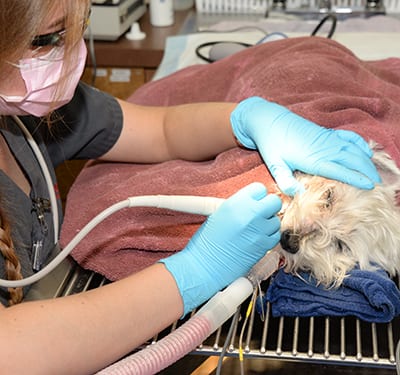
It is important that, at least once a year, your dog does one teeth cleaning in your veterinarian. Following some of the above routines to clean your dog’s teeth, it will help you maintain a white and good dentition. But if your dog starts accumulating tartarus, the annual visit to your veterinarian will eliminate it because there is nothing like a cleaning done by a professional, exhaustively and carefully.