


Have you ever wondered if you should add a daily probiotic supplement Your dog’s routine? These supplements have gained popularity – both for human health and dog welfare – and for a good reason. Let’s investigate!
Your dog’s intestine…
In the digestive tract of your dog there is a busy world of bacteria and microorganisms, collectively known as microbiome.
Think of it as a vibrant community where good and bad bacteria coexist.
Let’s focus on the good bacteria, also known as probiotics. They are the superheroes of this microbial world and, when in proper balance, contribute significantly to your dog’s health and general well-being.
Probiotics play a role in supporting digestion, immunity and more.
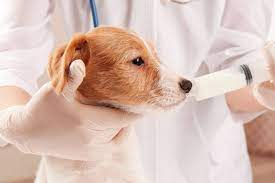
The benefits of probiotics for dogs
Digestive health
- The probiotics promote a diverse and balanced community of beneficial bacteria in the intestine and help eliminate “bad” bacteria.
- They can improve the decomposition of food in the digestive tract, helping to absorb nutrients.
- Probiotics help regulate the fermentation process in the intestine, potentially reducing excessive gas production. In other words, less puns!
- A well balanced microbiome can contribute to firmer, well-formed stools.
- Probiotics can help regulate bowel movements, potentially reducing diarrhea and relieving constipation in dogs.
Immune system
- About 70-80% of your dog’s immune system resides in the intestine. For this reason, of course, bacteria in the intestine are essential to your dog’s health.
- Probiotics help regulate the immune response, potentially reducing the risk of infections and supporting general immune health.
According to the Cornell University School of Veterinary Medicine, conditions that may benefit from probiotic treatment include:
- Allergy
- Anxiety
- Bad breath
- Pelage quality
- Diarrhea
- Immune disorders
- Inflammation of the bowel
- Irritable bowel syndrome
- Liver disease
- Obesity
- Skin disease
- Urinary tract infections
They can also benefit from excessive yeast growth and permeable bowel syndrome.

Safe “human” food for dogs rich in probiotics
Probiotics are naturally found in many foods.
Some secure dog options include:
- Yogurt: Choose natural yogurt, sugar-free and with live crops. Add a spoon to your dog’s bowl of food or spread it on a mat for him to lick. You can also use it as a basis for frozen treats!
- Goat milk: There are brands that produce goat milk for dogs and, among the many benefits, this milk is a good source of probiotics. Use it to moisten your baby’s food, add it to homemade treats or let it lick directly from the bowl!
- Kefir: This fermented milk drink is rich in probiotics and can be a tasty addition to your dog’s diet. Be sure to choose varieties without adding sugars.
- Bone broth: When properly prepared, bone broth can be a good source of probiotics that support your dog’s intestinal health. Like the other foods on this list, you can use it to moisten your dog’s meals or on frozen treats!
- Apple vinagre: When used in moderation and properly diluted, apple vinegar can be added to your dog’s water or food to introduce probiotics. Talk to your veterinarian before adding ACV to your dog’s diet.
- Fermented Foods: According to Dogs Naturally, foods like sauerkraut, kombucha and kimchi can be a healthy part of your dog’s diet. Note: When buying fermented foods purchased in stores for your dog, make sure that the ingredient label does not include any additives that are toxic to dogs. In addition, Dogs Naturally states: “ Fermented foods can also be a problem for dogs with SIBO (bacterial overgrowth in the small intestine) and fungal infections, so use with moderation and caution.” Talk to your veterinarian before adding fermented foods to your dog’s diet.

Ideas to find a high quality probiotic supplement
In addition to finding probiotics in various food sources, there are also probiotic supplements developed for dogs.
When choosing one Probiotic supplement for your dog, consider the following factors:
- Diversity of strains: look for a supplement that contains a variety of probiotic strains to provide comprehensive support for your dog’s intestinal microbiome.
- CFU count: Probiotics are measured in colony-forming units, or CFU. A higher CFU count indicates a more potent and effective probiotic supplement.
- Prebiotic: Probiotics are living bacteria. Like any living entity, they need to eat. That’s where prebiotics go into action. Prebiotics are soluble and indigestible fibers that feed probiotics. Without them, probiotics will be less effective and eventually die. That’s why it’s important to find a probiotic supplement that contains a prebiotic source. Prebiotics are found in foods such as bananas, apples, pumpkins, asparagus and more.
- Added Ingredients: Check the labels of the ingredients to ensure that the supplements are not filled with inactive and non-essential ingredients such as sugars and starches. In addition, a quality probiotic should not contain artificial colors, flavors and preservatives.
- The reputation of the brand: Choose Additions of renowned brands with a history of production of high quality pet products.
In our online store find several probiotics, all of the quality brands and that can help your Daddy have a healthier life.