
October – Leishmaniasis month
Author: Dr. Sofia Sirage
What do we know about Leishmaniasis… what is it?
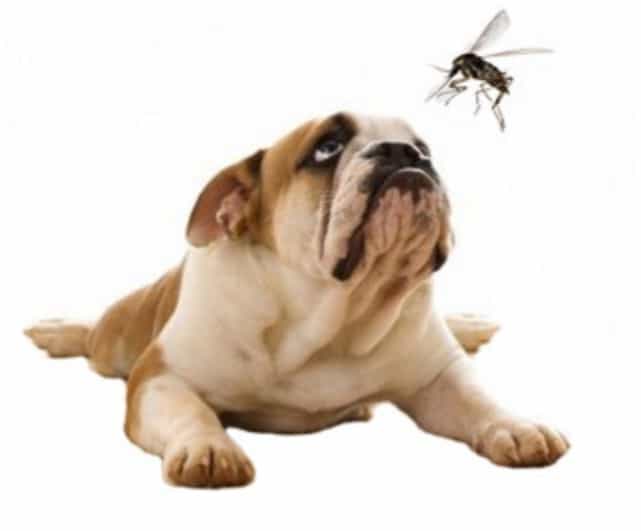
Leishmaniasis is a disease caused by a parasite called Leishmania infantum. The dog is the main host and host reservoir, however it can also affect other animals such as cats, foxes and rodents.
As it is a disease that can affect several animals, including man, it is therefore considered a zoonosis.
How can my dog get the disease?
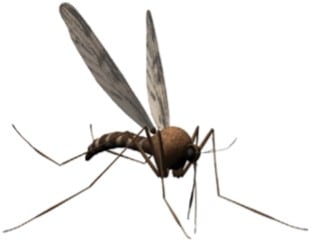
The parasite is transmitted by the bite of phlegm insects. Phlebotoms live preferably by stopped waters, in animal shelters, garbage cans, gardens, forests, etc.. In addition, they are more active at dawn and at dusk.
These insects exist throughout mainland Portugal, so Portugal is an endemic country.

Can my dog give me the disease?
Nope. The transmission from dog to man or dog to dog does not happen. It is always necessary the existence of the vector, which in this case is the phlebotome.
What are the clinical signs?
- The clinical signs are very variable.
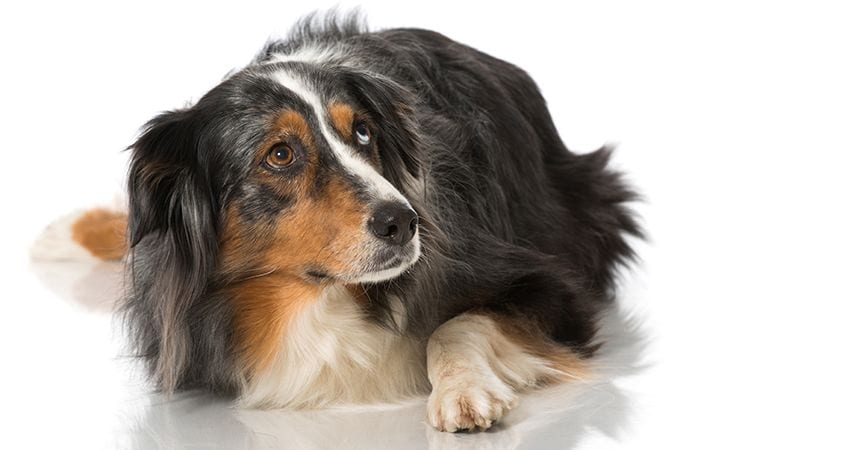
- They may be generalized signs such as nutrition deficit, muscle atrophy, lethargy, pale mucous membranes, nose bleeding, lymph node enlargement, joint inflammation, fever, etc..
- Skin or mucocutaneous signs, such as sharp hair loss, dermatitis, vasculitis (inflammation of blood vessels, often manifesting as necrosis in the tips of the ears), etc.
- Just like other signs such as kidney, gastrointestinal and neurological problems.
- Consult your Veterinarian, canine leishmaniasis is a chronic disease and treatment is not always effective and regular checks are needed.
How can I protect my dog?
- Avoid the risk of physical contact with the sandflies, not taking walks at dusk and at dawn (height in which they are most active).
- Use insecticides (sprays, spot-on, repellent collars, etc.) and reduce the light intensity at home (flebotoms fly towards the light).
- Your veterinarian will advise you on the best option for your animal.
- In addition, vaccination plays a key role.
- A complete vaccination program, including annual revaccination, provides your dog with lasting internal protection against the disease.
- Talk to your veterinarian about your dog’s vaccination.