
Adopting a dog is a journey full of joy, but also of important responsibilities. These loyal companions depend on their pet owners to maintain health and well-being. Although they often show vitality and energy, it is essential to be attentive to signs that may indicate health problems.
Making sure a dog has a long and healthy life involves monitoring various aspects such as behavior, eating, hygiene and physical appearance. Small details can reveal much about the general state of the animal. Therefore, it is essential to understand what to observe and how to act when something seems different.
In this guide, we present practical and easy to follow tips to evaluate your dog’s health and reinforce the importance of preventive care, such as regular visits to the veterinarian.
1. Evaluating Behavior and Energy Level: Signs of Wellness or Warning

The behavior and energy of a dog are clear indicators of their health. A healthy dog is active, curious and shows interest in the surrounding environment. He’ll be willing to play, walk and interact with his family. These characteristics show that the organism is functioning properly and that the animal feels comfortable in its environment.
Sudden changes in behavior, such as apathy, excessive tiredness or disinterest, may be warning signs. This may indicate from passing tiredness to more serious problems, such as pain, stress or internal illness. In addition, behaviors such as excessive fear, aggressiveness or isolation should be observed carefully, as they may reflect physical or emotional discomfort.
Also be aware of the energy level during daily activities. If your dog, which is usually excited, starts avoiding rides or games, it may be an indication that something is wrong. This change should be investigated, especially if it is accompanied by other signs, such as changes in appetite or appearance.
Tip: Book a few minutes every day to observe your dog’s behavior. Registering this information may help the veterinarian to identify possible health problems or changes in emotional well-being.
2. Weight Feeding and Control: The Balance for Long and Healthy Life

Feeding is one of the pillars of any dog’s health, and weight control is essential to prevent serious diseases. A healthy dog maintains a stable appetite and consumes food suitable for its age, race and specific needs. Consult a veterinarian to choose the ideal diet or consider personalized diets can make all the difference.
Changes in appetite, such as eating more or less than normal, are signs that should be monitored. Lack of appetite may be a symptom of problems such as dental pain, gastrointestinal disorders or infections. The sudden increase in appetite may be related to metabolic diseases, such as diabetes or hormonal imbalances.
Weight control is also fundamental. An overweight dog is at increased risk of developing joint problems, heart disease, and diabetes. On the other hand, unexplained weight loss may indicate more serious conditions such as kidney problems or cancer. Maintaining the ideal weight of your dog is one of the best ways to prolong your life and improve your quality of life.

Tip: Weigh your dog regularly and adjust the amount of food as recommended by the veterinarian. Avoid offering excess snacks and prioritize healthy and dog-specific snacks.
3. Hair and Skin Quality: General Health Reflections of Dog
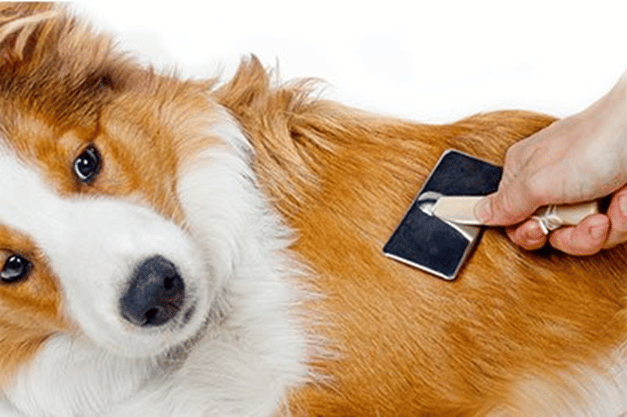
The appearance of a dog’s hair and skin is a window to his internal health. A shiny, soft, flawless hair, coupled with a skin without irritation or wounds, indicates that the animal is healthy. Problems in this area may reflect from malnutrition to more severe diseases, such as allergies or parasitic infections.
Frequent itching, scaling, red spots or excessive hair loss are signs that something is not right. Parasites, such as fleas and ticks, are common causes, but hormonal problems or food allergies can also affect the health of skin and hair.
An adequate hygiene routine helps to preserve the health of this area. Brushing the hair regularly removes the dead, stimulates circulation and distributes natural oils from the skin. Baths should be given in moderation and always using specific products for dogs, as inappropriate products can cause irritations.
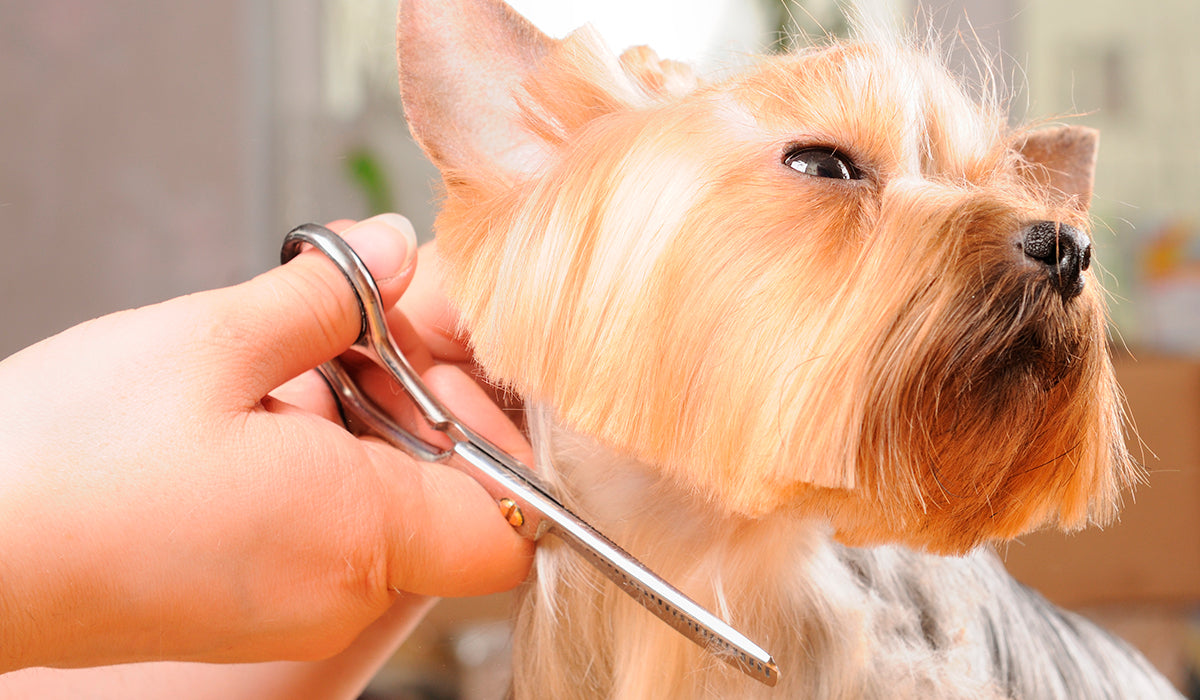
Tip: Examine your dog’s skin and hair weekly. This helps to identify early signs of parasites, allergies or dermatological problems that can be treated quickly and effectively.
4. Eyes, Ears and Nose: Visible Health Indicators
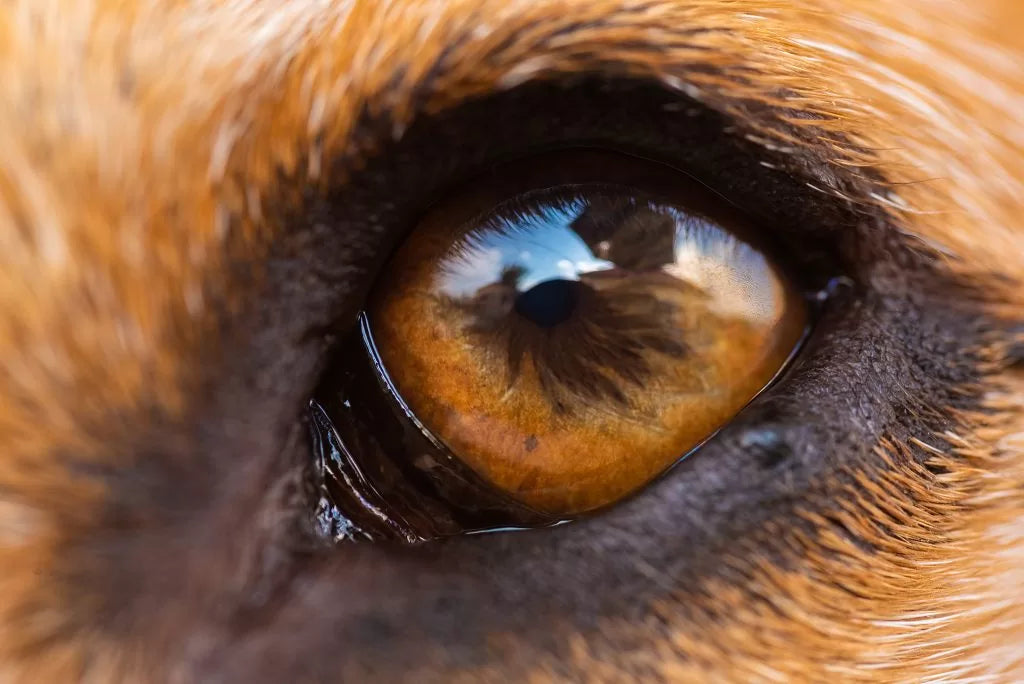
The eyes, ears and nose are areas that reveal much about the dog’s health. Bright, bright eyes, no secretions or redness, are signs that the dog is fine. Inflammation, excessive tearing or itching in the eye region may indicate allergies, infections or even more serious problems, such as glaucoma.
The ears, in turn, should be clean and odorless. If you notice secretions, redness or bad smell, this may be a sign of mites infection or infestation. The habit of shaking the head or scratching the ears often should also be observed, as it may indicate discomfort.
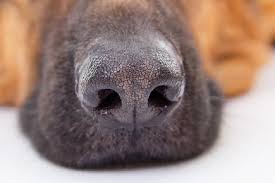
On the other hand, a healthy dog’s nose should be moist and fresh, although this may vary depending on weather conditions or physical activity. Color changes, unusual secretions or cracks may be signs of health problems such as dehydration or respiratory infections.
Tip: Include eye, ear and nose inspection in your dog’s care routine. Use specific products recommended by the veterinarian for cleaning these sensitive areas.
If you need more developed points, I can continue the list or further deepen those already mentioned!
Conclusion
Maintaining your dog’s health requires a complete approach involving daily observation, adequate care and periodic visits to the veterinarian. Always be aware of your dog’s behavior, as changes in energy, interaction or how it reacts to the environment may indicate problems that need to be treated. So you will be ensuring the physical and emotional well-being of your four-legged friend.
Balanced feeding and weight control are key parts to prevent metabolic diseases, heart problems and other serious conditions. In addition, investing in the quality of your dog’s hair and skin, offering a proper hygiene routine and protection against parasites, is essential for it to remain healthy and comfortable.
Care for eyes, ears and nose should not be neglected, as these areas may show signs of infections or other diseases. Similarly, monitoring breathing, heart rate, urine and feces is indispensable to identify early changes and act quickly.
Oral health, often forgotten, is a key to the general welfare of the dog. Brush your teeth regularly and perform dental check-ups help prevent serious problems such as infections and pain, which can negatively impact your dog’s quality of life.
Finally, it is crucial to strengthen that regular consultations with the veterinarian are indispensable. Even if your dog looks healthy, only a professional can identify silent problems and recommend preventive care. Consistent veterinary monitoring is the best way to ensure that your dog has a long, active and happy life at your side.
Used Sources
1.American Veterinary Medical Association (AVMA)
2. World Small Animal Veterinary Association (WSAVA)
3. Scientific publications on animal health and welfare available at the National Library of Medicine (PubMed)