Did you adopt a new cat? Congratulations! You’re starting a new relationship full of challenges and joys. Once adopting a new cat brings a series of changes to both the cat and the pet owners, PetDoctors compiled a checklist to make the process as easy as possible.
Questions for all new owners:
- Do you have any other paws? How will they react to a new cat?
- Is your current dwelling suitable for the cat you intend to adopt?
- How will your social life or your work obligations interfere with your ability to treat a cat?
- Do you know what you’re gonna do with your cat during vacations or if you have to travel on business?
- If you don’t live alone, what do people think about having a cat at home?
- You’re intolerant to hair, you have allergies? What about the other inhabitants of your house?
- Do you have any health problems that could be adversely affected by a cat? What about the other residents in your house?
- What breed of cat is best suited to your lifestyle? (You can find information about specific races here: cat breakfast directory.)
- Is there some sort of latent tension in your house? Cats are easily aware of stress at home and this can exacerbate their health and behavioral problems.
- If you do not live alone, have you decided who will be responsible for the cat’s welfare?

Other considerations:
- If you’re thinking of adopting a baby cat or still too young, do you have the time and patience to play and train your cat until he reaches adolescence, with all the energy expenditure that means?
- Considering your lifestyle, have you ever considered whether it’s best for you to have a kitten or an adult cat?
- Do you feel capable of dealing with a cat with temperamental/behavioral problems or just looking for a cat that is easy to deal with?
- You gonna need a cat you can trust with kids and you can travel with?
- Do you want a cat to follow you around the house or do you prefer a more independent cat?
Costs of having a cat:
- In case the cat is not offered, do not forget that the amount you pay for it is just a tiny fraction of the money you will have to spend throughout your life.
- You may have to pay for your cat to be sterilized or neutered before you take it home.
- The following are some expenses that you will have to make, regardless of whether you are a cat or another animal, which you intend to adopt:
- Food
- Routine medical and veterinary treatment
- Licences
- Collar and identifier for collar
- Toiletries and their consumables
- Basic maintenance equipment (brushes and toys).
- Other expenditure which is not compulsory but may be necessary or recommended
- Permanent identifier such as a microchip
- Additional maintenance equipment (regardless of your cat’s needs)
- An extra collar
- One bed and several toys
- A box for transport
- Unexpected expenses:
- Accidents and diseases may require urgent medical and veterinary procedures, which may be expensive. In the event of disappearance, you may have to consider the cost of paying a reward to those who find it, as well as the cost of making leaflets to distribute.
- A cat with specific physical or behavioral problems may require specialized professional support to overcome the obstacle(s) represented by these problems.
- If you want to know more about the typical expenses incurred by those with animals you can visit the following page Annual Cat Care Costs.
Time considerations:
- Cats need to feed once or twice a day, or more in the case of kittens, and they need to have fresh water on their own.
- A responsible pet owners should spend at least one hour a day giving full attention to his cat. This can include training, exercise, brushing, playing or just “cook time” on the couch.
- A cat with excess energy needs to exercise more as well as toys, preferably interactive, to keep them busy.
- Cats with long coats need approximately 20 minutes daily brushing to prevent the hair from tangle.
- Cats suffering from certain diseases need additional attention, which may include injections at right times in the case of diabetic animals.
- Do not forget that in the case of adopted cats, they may need more attention, initially, to establish the necessary bonds of trust and camaraderie.
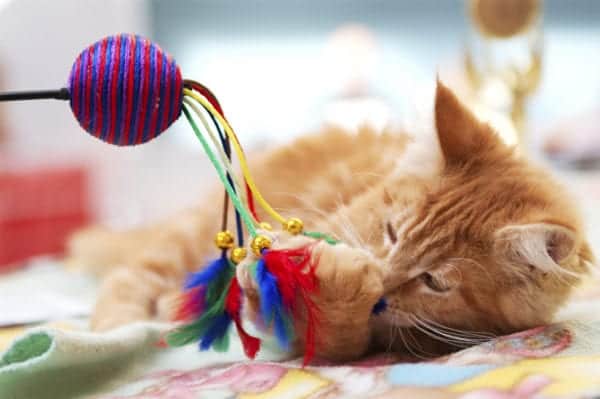
Shopping Checklist:
In the case of adoption, it might be a good idea to select your future companion before you start shopping.
For example, some items, such as food and water vessels or collars, will depend on the size of the cat you adopt.
In this case, it is also important to know what kind of food your cat was eating in the shelter or home in which it is in, so that it can be given the same at first, in order to facilitate the transition.
After the cat is familiar with the new environment you should talk to the your veterinarian so that he may be advised to eat best.
After selecting your new cat, there is a list of things you may need:
Cat Items:
- Dishes for food and water
- Food (in can or bag, wet, or dry)
- Toiletry box and shovel for cleaning
- Own sand for toilet box
- Collar
- Identifier to attach to collar, with your cat phone and name
- Suitable size carrier for cat
- Nail scissors
- Feline toothbrush and toothpaste
- Brush or comb (depends on the type of coat and its length)
- Super absorbent paper towels
- Sponge and cleaning brush
- Non-toxic cleaning product
- Enzyme-based odor neutralizer
- Several toys
- First aid kit