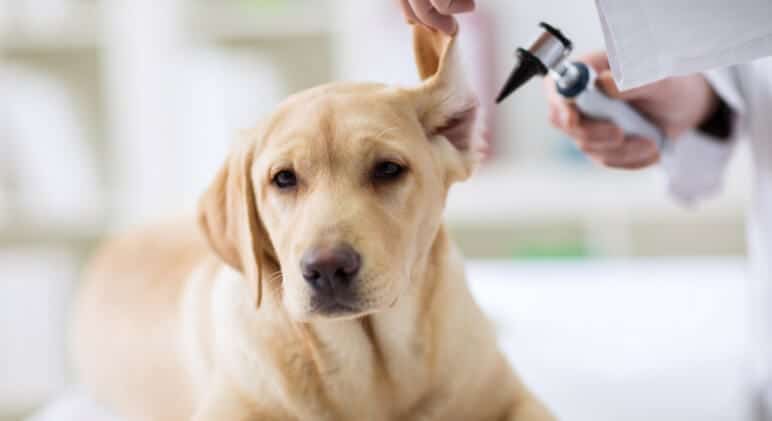
Has your dog ever had an otitis? Practically no one who has dogs is free to suffer from otitis.
This type of infection is quite common, especially in dogs with fallen ears, or “wheezing ears”. Regardless of how many times you’ve had to deal with this problem, it’s always with a feeling of impotence and sadness that we see our daddy win while he desperately scratches his ear(s). In addition, these types of infections are usually smelly, with pus release, cause redness and swelling and are very frustrating for everyone involved in the process.
In this post we will briefly address the three most common types of otitis, their causes, as well as what you can do, preventively, to prevent them from repeating in the future. Here, the keyword is prevention!
3 Ear Infection Types
There are three types of ear infection in dogs — external, media, and internal otitis. Each of them affects a different part of the canine ear canal. As the names indicate, external otitis refers to an infection in the outside of the ear. Mean and internal otitises refer to infections in the middle and inner ear canal. If not treated immediately, the external otitis may spread to the middle and inner area of the auditory canal, leading to a more serious infection.
What Can Cause Ear Infection?
There are some common causes.
- Bacteria
- Fungi
- Wax accumulation
- Moisture in the ear
- Excess of hair
- Allergies – both food and something in the environment
- Ear mites and fleas
Know the Risk of your Dog
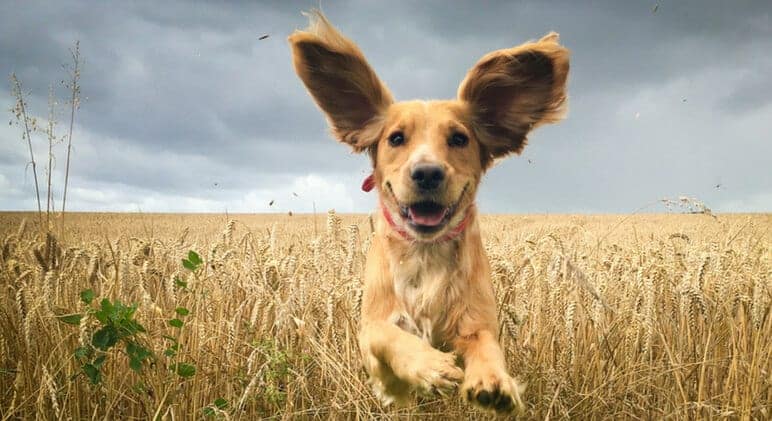
Although any dog can develop otitis, some breeds are more susceptible than others. Dogs with “ears of shaking” (such as Poodles, Labradores, Hounds, Beagles, Spaniels, etc.) are at the top of the list. The fact that the ear canal is blocked creates a perfect humid environment for the development of fungi and bacteria. Moreover, this type of ears are propitious to the accumulation of wax, dust and crap in general.
Suggestions To Prevent An Infection in the Ear
1. Keep your Hound’s Ears Dry
Moisture is the environment of choice for bacteria to develop. Although, surely, you should not prevent your bigeye from diving during the summer, it is important to clean and dry your ears after bathing. The same is true of baths! Use a piece of cotton or gauze to thoroughly clean the entire opening of the ear canal after bathing.
2. Remove Excess Hair
Your dog is of a breed, where the hair grows inside the ear (as the poodles)? Then make sure you cut and remove those hairs! Otherwise, this excess of hair on the outside of the ear canal will act as a “trap” for crap and moisture.
And right now you know what that accumulation can lead to: infection! For this reason, when you take your stepfather to bath or shear, ask the “groomers“ special attention, with a view to removing these excess hairs, whenever appropriate.
These kind of thin hairs are easy to remove with your fingers. However, there are powders for this purpose, registered for canine use, therefore we recommend that you consult your veterinary clinic and talk to yours veterinary doctor, to learn more about them and how to use them. However, during the process, go to your stepfather to keep him calm. It’s always nice to end the session with a cookie.
3. Clean your Dog’s Ears Regularly
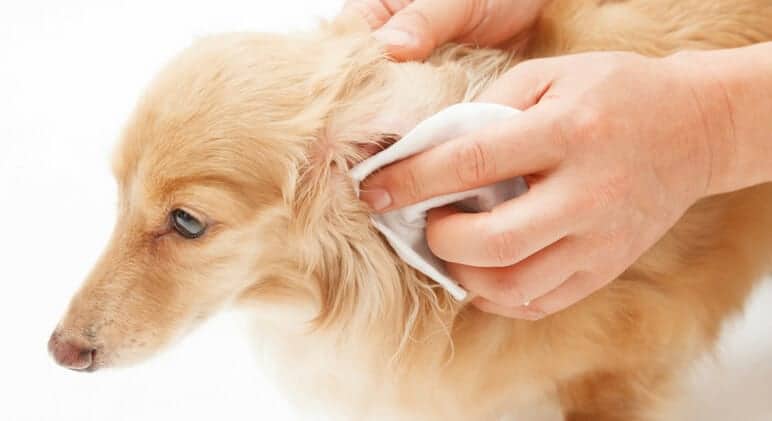
I leave here the suggestions of a “groomer” professional about the best way to clean a dog’s ears. Follow the following steps and use them as a guide:
- Use preferably a compress or one gauze; (there are those who also use a cotton ball, or soft cloth, but do not recommend it).
- Moisten the compress or gauze with one own product for otological cleaning (don’t put it directly in your ear).
- Using your index finger and the compress or gauze, carefully remove the accumulated wax.
- Try not to leave any uncleaned nooks.
- Do not put your finger too much into the ear canal as it may cause damage. Focus mainly on the accumulated surface wax in visible areas.
- Finish with a dry swab or gauze and gently remove all remaining moisture.
- Attention: in case of doubt, you should always advise yourself with your veterinary doctor.
4. Feed your Dog Healthy
According to American Kennel Club: “About half of dogs with allergic skin diseases and 80 percent of dogs with sensitivity to certain types of food develop inflammations in their ears.”
A Pet Doctors suggests that you feed your stepfather with a healthy diet. Note: Talk to your veterinary surgeon before changing your dog’s feeding type.
5. Watch Regularly the Ears of your Dog
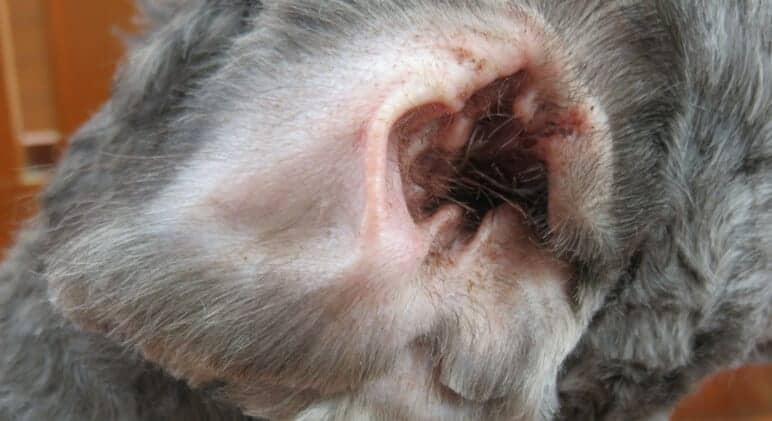
Ideally, your bigeye’s ears should be soft when looking and without any signs of irritation or swelling. They should be dry and without signs of dirt. Although it is normal that they have a slight odor (with time and through the routine of watching your dog’s ears, you will realize what is normal for your bigeye), the same must not be unbearable. If you notice anything out of the ordinary, it’s best to take your stepfather to Veterinary for an ear inspection.